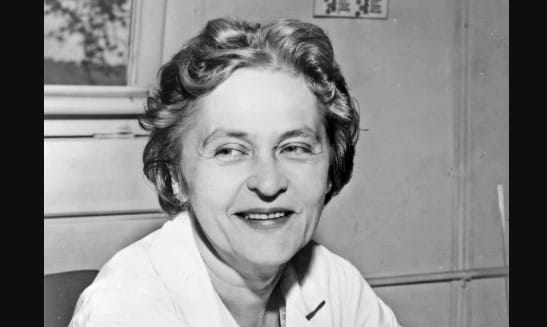
Maria Telkes is remembered as one of the most remarkable women in science, often called the “Sun Queen” for her groundbreaking work in solar energy. Born in Hungary and later making her mark in the United States, she dedicated her life to finding ways to use the sun’s power for everyday needs. Her inventions were not just scientific experiments; they were practical solutions that saved lives and inspired generations.
At a time when renewable energy was not a popular subject, Telkes stood out as a visionary. She believed that the sun could be more than just a source of light — it could heat homes, cook food, and even provide drinking water. Her career spanned decades, and her ideas continue to influence modern technology today.
Maria Telkes Age, BIO, Career, Husband, Family
| Attribute | Details |
|---|---|
| Full Name | Mária Telkes |
| Nickname | “Sun Queen” |
| Birth Date | December 12, 1900 |
| Birth Place | Budapest, Hungary |
| Parents | Father: Aladár Telkes; Mother: Mária Lábán de Telkes |
| Siblings | Eldest of eight children |
| Education | B.Sc. in Physical Chemistry (1920), Ph.D. in Physical Chemistry (1924), University of Budapest |
| Citizenship | Hungarian-born; Naturalized U.S. citizen (1937) |
| Early Career | Biophysicist at Cleveland Clinic Foundation (1925–1937) |
| Major Institutions | Westinghouse Electric, MIT (1939–1953), NYU, University of Delaware, University of Pennsylvania |
| Famous Projects | Dover Sun House (1948, solar-heated residence), Solar desalination device (WWII), Solar ovens |
| Patents | 26 U.S. patents related to solar energy, desalination, and thermal storage |
| Publications | Authored over 100 scientific papers and reports |
| Awards | Society of Women Engineers Achievement Award (1952), Charles Greeley Abbot Award (1977), Inducted into National Inventors Hall of Fame (2012) |
| Known For | Pioneering solar energy research, solar heating, desalination, solar cooking |
| Net Worth | Primarily intellectual wealth; recognition through patents and awards |
| Personal Life | Lived a private life; limited public details on marriage or children |
| Death | December 2, 1995, Budapest, Hungary |
| Wikipedia | @Mária_Telkes |
Early Life and Family Background
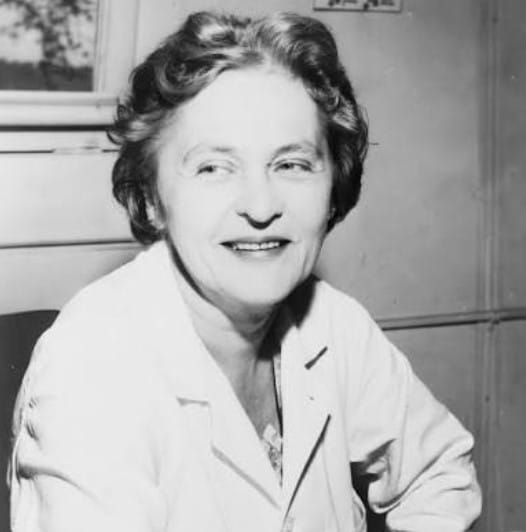
On December 12, 1900, Mühl Telkes was born in Budapest, Hungary. She was the oldest of her family’s eight children. Her father, Aladár Telkes, and mother, Mária Lábán de Telkes, encouraged her curiosity and love for learning. From a young age, she showed a strong interest in science, especially chemistry.
By the age of 11, she had already built a small laboratory at home, experimenting with different materials and reactions. This early passion shaped her future and gave her the confidence to pursue higher studies in science. Growing up in a large family also taught her discipline and resilience, qualities that later helped her face challenges in her career.
Education and Academic Training
Maria Telkes studied at the University of Budapest, where she earned her bachelor’s degree in physical chemistry in 1920. She continued her studies and completed her PhD in physical chemistry in 1924. Her academic journey was marked by determination and brilliance, as she quickly became known for her sharp mind and innovative ideas.
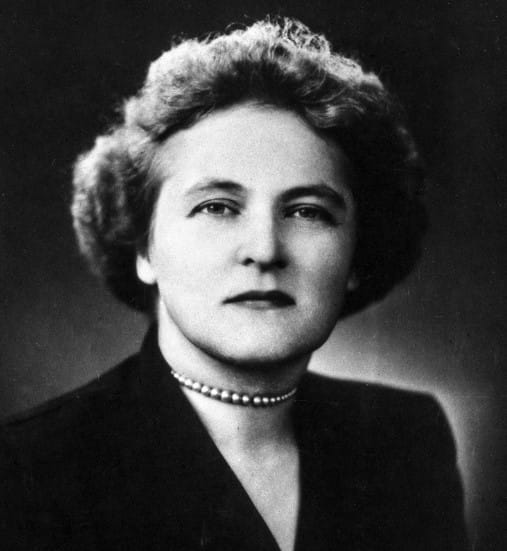
After finishing her doctorate, she worked as a teacher and researcher in Hungary. However, she wanted to explore more opportunities and expand her knowledge. In 1925, she moved to the United States, a decision that changed her life forever. This move opened doors to new research fields and gave her the chance to work with leading scientists of her time.
Move to the United States
In 1925, Mária Telkes made a bold decision to leave Hungary and move to the United States. Even though she was just 25 years old, she possessed a degree in physical chemistry and a great drive to pursue new options. Her first role in America was at the Cleveland Clinic Foundation, where she worked as a biophysicist.
By 1937, she had become a naturalized U.S. citizen. This marked the beginning of her long career in America, where she would go on to make some of her most important contributions. Her move was not just a change of country; it was the start of a journey that would place her at the center of solar energy research in the 20th century.
See Also:- Viktor Király
Career Highlights
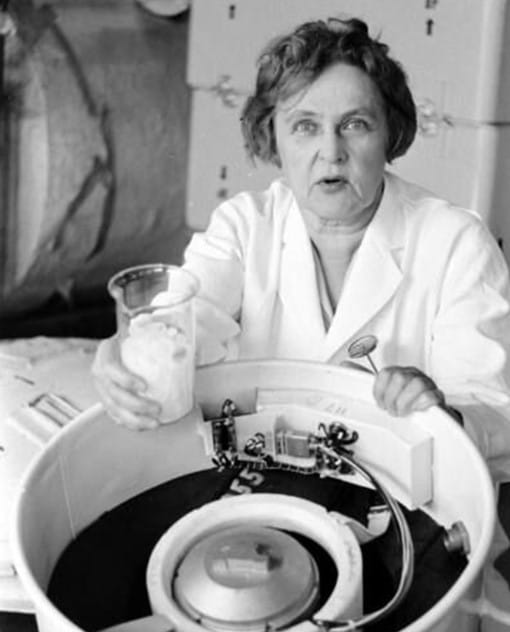
Maria Telkes joined Westinghouse Electric Corporation, where she developed photoelectric cells using selenium. During World War II, she invented a portable solar desalination device. This small, lightweight invention could turn seawater into drinkable water using only the sun’s heat.
Her most famous work came during her time at the Massachusetts Institute of Technology (MIT) between 1939 and 1953. At MIT, she focused on solar heating and energy storage. One of her most celebrated projects was the Dover Sun House, built in 1948 in Massachusetts. Designed with architect Eleanor Raymond, this house was heated entirely by solar energy.
Major Inventions and Innovations
Telkes was not just a scientist; she was an inventor with a practical vision. Her solar desalination device was one of her most life-saving creations. Soldiers stranded at sea during the war could survive because of her invention, which used simple solar principles to provide clean water.
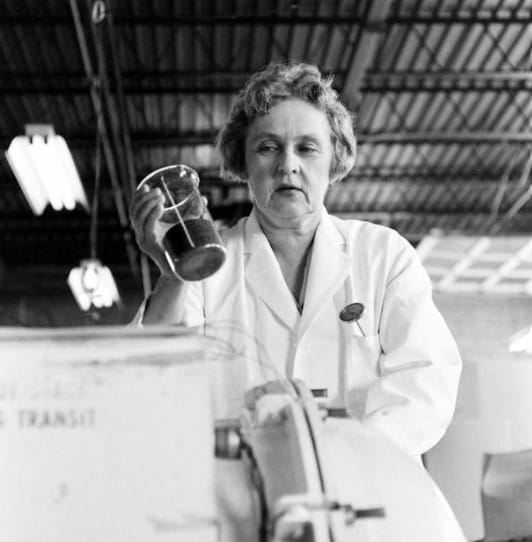
She also developed solar ovens that could reach temperatures of 350°F. These ovens were marketed as safe and easy to use, even for children. Over her lifetime, Telkes received 26 U.S. patents related to solar energy, desalination, and thermal storage. She also worked on solar-powered agricultural drying systems, helping farmers preserve food without relying on electricity or fuel.
Later Career and Teaching Roles
Telkes pursued her career at different colleges after graduating from MIT. She directed solar laboratories at New York University and later at the University of Delaware. She also served as Chief Scientist of Energy Conversion at the University of Pennsylvania between 1969 and 1972.
Her later career was marked by teaching, mentoring, and consulting. Even after retiring in 1978, she remained active in the field, advising projects and sharing her knowledge. She worked on solar-powered agricultural drying systems and continued to advocate for renewable energy until the early 1990s. Her dedication showed that her passion for solar energy was lifelong.
Awards and Recognition
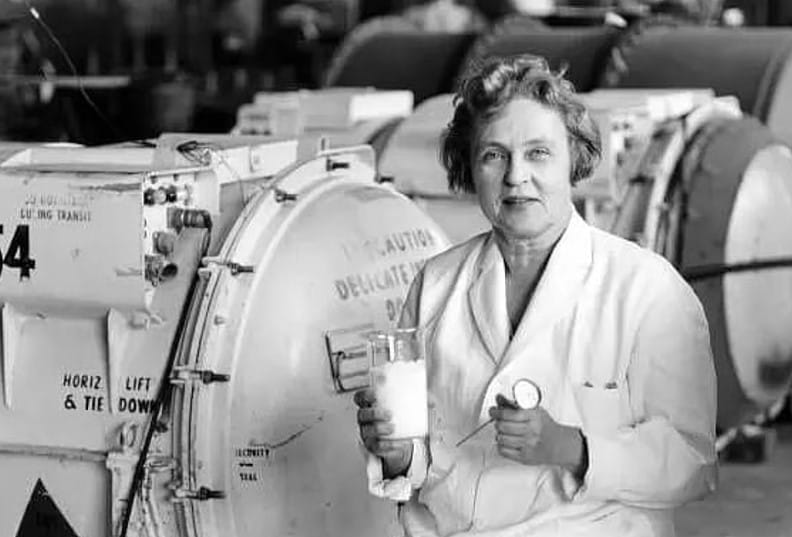
In 1952, she received the Society of Women Engineers Achievement Award, recognizing her pioneering work. In 1977, she was honored with the Charles Greeley Abbot Award for her outstanding contributions to solar energy.
Years after her death, her legacy was further celebrated when she was inducted into the National Inventors Hall of Fame in 2012. This recognition placed her among the greatest inventors in history. Her nickname, “Sun Queen,” reflects the respect and admiration she earned in the scientific community.
Personal Life and Death
Telkes lived a private life. There is little public information about her marriage or children, which suggests she preferred to keep her personal matters away from the spotlight. She maintained strong ties to Hungary but spent most of her life in the United States.
She passed away on December 2, 1995, in Budapest, Hungary, just ten days before her 95th birthday. Her death marked the end of a remarkable journey, but her ideas live on in the technologies we use today.
Read Also:- Rick Sánchez