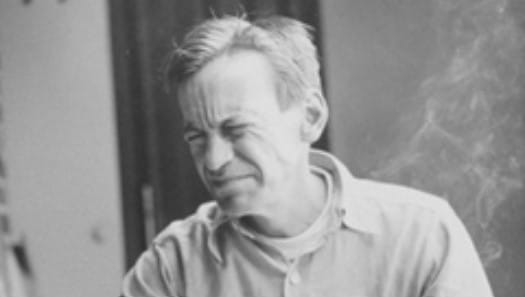
David Park is remembered as one of the most important American painters of the mid‑20th century. Born in 1911, he became a leading figure in the Bay Area Figurative Movement, a group of artists who broke away from pure abstraction and returned to painting the human figure. His work stood out because it combined bold colours with everyday subjects, giving art a warmth and humanity that was missing in the abstract style of his time.
Park’s paintings were not just about technique; they were about life. He painted children playing, musicians performing, and friends gathering, capturing moments that felt familiar and real. His belief was simple yet powerful: art should focus on the present and respond to nature, not just chase novelty. Even though he died young at 49, his influence continues to inspire artists and collectors worldwide.
David Park Death, Age, Family, Career, Biography
| Attribute | Details |
|---|---|
| Full Name | David Park |
| Birth Date | March 17, 1911 |
| Birthplace | Boston, Massachusetts, United States |
| Zodiac Sign | Pisces |
| Parents | Mary Turner (mother), Charles Edward Park (father, Unitarian minister) |
| Education | Loomis Chaffee School, Otis Art Institute, California School of Fine Arts |
| Profession | Painter, Teacher |
| Known For | Bay Area Figurative Movement, Figurative Painting |
| Famous Work | Standing Male Nude in the Shower (1955–1957) |
| First Solo Show | Oakland Art Gallery, 1933 |
| Teaching Career | California School of Fine Arts (San Francisco Art Institute), University of California |
| Spouse | Lydia Newell |
| Children | Two daughters – Natalie and Helen |
| Residence | Berkeley, California, United States |
| Death Date | September 20, 1960 (aged 49) |
| Cause of Death | Cancer |
| Legacy | Founder of Bay Area Figurative School; inspired artists like Richard Diebenkorn, Elmer Bischoff, Paul Wonner, Nathan Oliveira, Manuel Neri, Joan Brown |
| Retrospectives | Whitney Museum of American Art (1988), San Francisco Museum of Modern Art (2020–2021) |
| Auction Highlight | Standing Male Nude in the Shower sold for $1,160,000 at Sotheby’s New York (2007) |
| Net Worth till death | (estimated $800,000–$1.2M) |
| Wikipedia | @David_Park_(painter) |
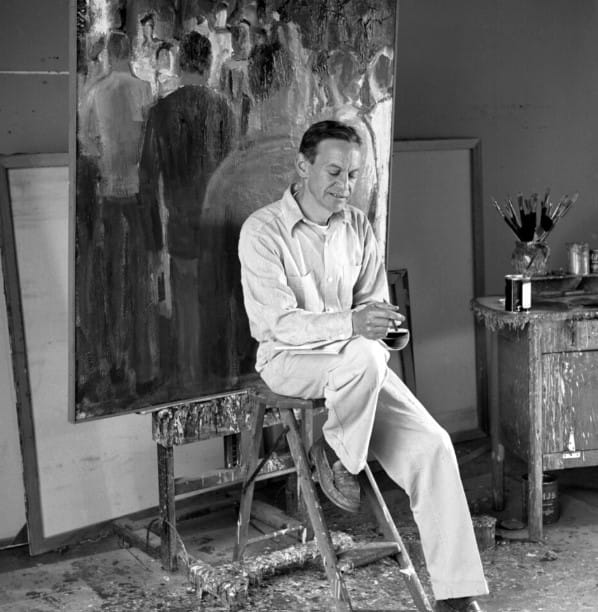
Early Life and Family Background
David Park was born to his mom and dad on March 17, 1911, in Boston, Massachusetts. His parents were Mary Turner and Charles Edward Park, a respected Unitarian minister. Growing up in a family that valued education and culture, Park was exposed to ideas and creativity from an early age.
His talent was noticed early. While studying at the Loomis Chaffee School in Windsor, Connecticut, Park caught the attention of Evelyn Longman Batchelder, a well‑known sculptor and the headmaster’s wife. She recognised his gift and encouraged him to pursue art seriously.
Education and Artistic Training
At the age of 17, Park moved to Los Angeles to live with his aunt Edith Park Truesdell, who herself was an artist. This move was crucial because it allowed him to study at the Otis Art Institute in 1928. Being surrounded by artists and creative minds gave Park the environment he needed to grow.
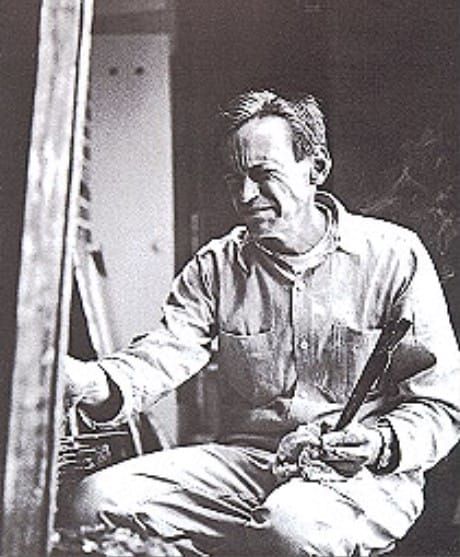
A year later, Park moved to Berkeley, California, where he continued his studies and began building his career. He later attended the California School of Fine Arts (CSFA), which is now known as the San Francisco Art Institute. It was here that he met fellow artists Richard Diebenkorn and Elmer Bischoff.
Marriage, Family Life, and Personal Journey
In 1930, Park married Lydia Newell, and the couple went on to have two daughters, Natalie and Helen. His marriage and family life played an important role in shaping his art. Living in Berkeley, Park balanced his responsibilities as a husband and father with his growing career as a painter.
Despite the challenges of being an artist during the Depression era, Park remained committed to his work. His paintings often reflected the warmth of family life and the everyday scenes around him. This human touch made his art relatable and helped him connect with audiences beyond the art world.
See Also:- Sam Okyere
Early Career and First Exhibitions
Park’s first solo exhibition was held in 1933 at the Oakland Art Gallery. This was a major milestone, as it introduced his work to a wider audience. His early paintings showed his willingness to experiment and explore different styles, from abstraction to figurative forms. He was not afraid to challenge himself, and this openness became a defining feature of his career.
During the economic depression, Park returned to Boston and taught art at the Winsor School for Girls. Teaching gave him a chance to share his knowledge and inspire young students, while also providing financial stability. These early years were not easy, but they helped Park develop resilience and a deeper understanding of the role of art in society.
Teaching Career and Influence on Students
In 1943, David Park joined the California School of Fine Arts (CSFA), now known as the San Francisco Art Institute. His role as a teacher was more than just a job; it was a chance to shape the next generation of artists. Park believed that teaching was not about forcing students into one style but about helping them discover their own voice.
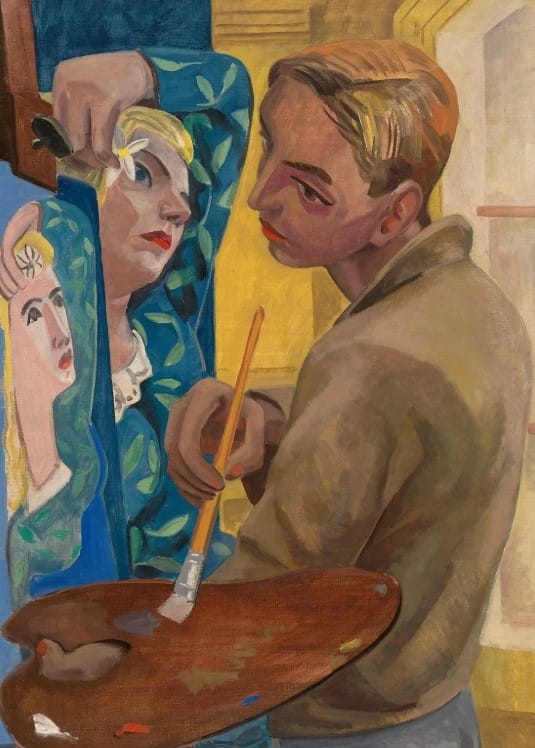
Park’s influence was felt strongly among his peers too. Alongside Richard Diebenkorn and Elmer Bischoff, he challenged the dominance of abstract expressionism taught by Clyfford Still. This disagreement was not just about technique; it was about philosophy. Park wanted art to connect with people, to tell stories, and to reflect life.
Breaking Away: Founding the Bay Area Figurative School
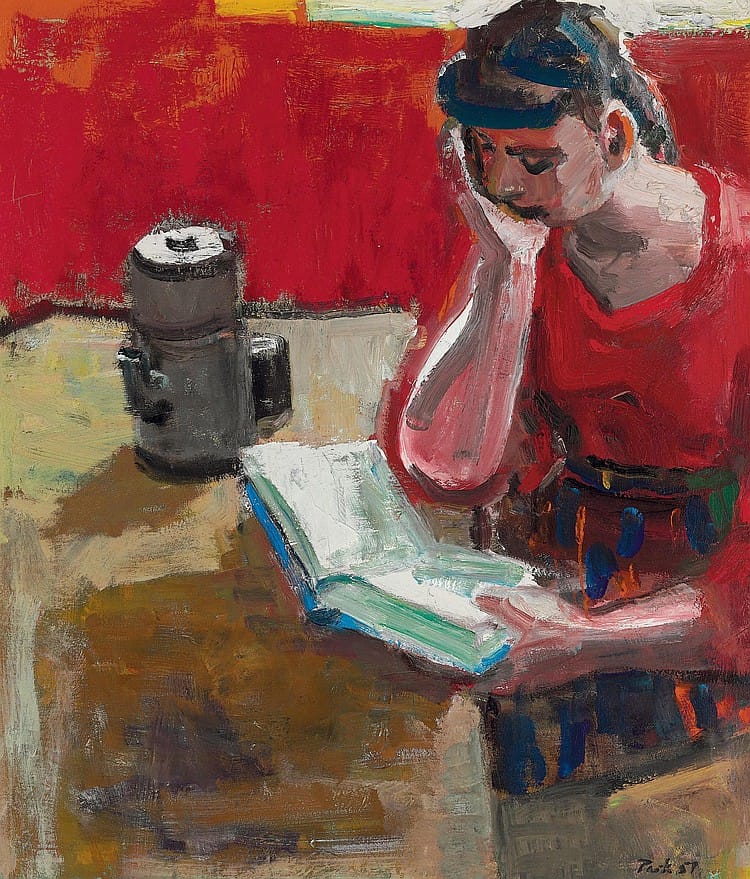
By the late 1940s, Park and his colleagues had grown tired of abstraction. In response, they began experimenting with figurative art, focusing on real subjects like people, streets, and everyday life. This shift marked the birth of the Bay Area Figurative Movement, which would become one of the most important art movements in post‑war America.
Park’s decision to return to the figure was bold at a time when abstraction was considered the future of art. He believed that painting should be about the present moment and about nature. His leadership in this movement influenced artists like Paul Wonner, Nathan Oliveira, Manuel Neri, Henrietta Berk, and Joan Brown, who carried forward the figurative tradition.
Later Years and Struggle with Illness
By the late 1950s, Park’s career was flourishing, but his health began to decline. He was diagnosed with cancer, which limited his ability to work with oil paints. Despite this, he did not stop creating. Instead, he turned to watercolours, producing some of his most powerful works during this period.
Park remained active as a teacher and artist until his death. He worked as an Associate Professor of Art at the University of California, where he continued to inspire students. Even as his illness worsened, he painted with passion, proving that creativity could thrive even in difficult times.
Death and Immediate Legacy
David passed away on September 20, 1960, in Berkeley, California, at the age of 49. His death was a great loss to the art world, but his influence did not fade. His colleagues and students remembered him not only as a talented painter but also as a mentor who encouraged them to think differently.
The Bay Area Figurative Movement that he helped start continued to grow after his death, shaping the direction of American art in the decades that followed. Park’s belief in the importance of figurative painting gave artists permission to explore subjects that felt personal and real.
Read Also:- Jose Narvaez